

Stage 01
Submit
Send your idea, sketch, video or prototype online, on a basic phone connection or through WhatsApp.
SafeguardA dated, private record of your submission.
Submit an idea or a prototype at no cost. We help you protect it, build it and bring it to the investors and markets that can carry it worldwide.
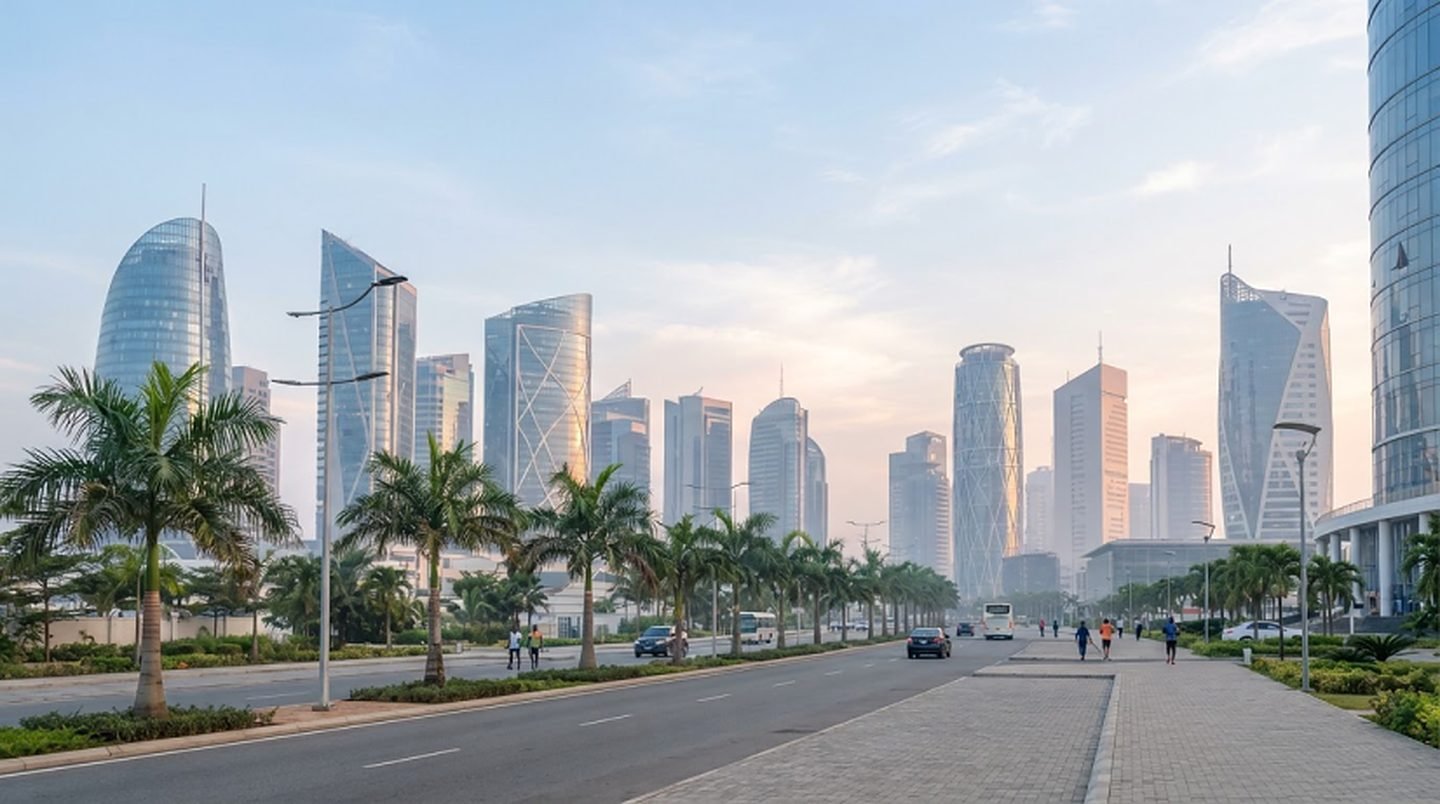
A modern African business districtAI-generated image
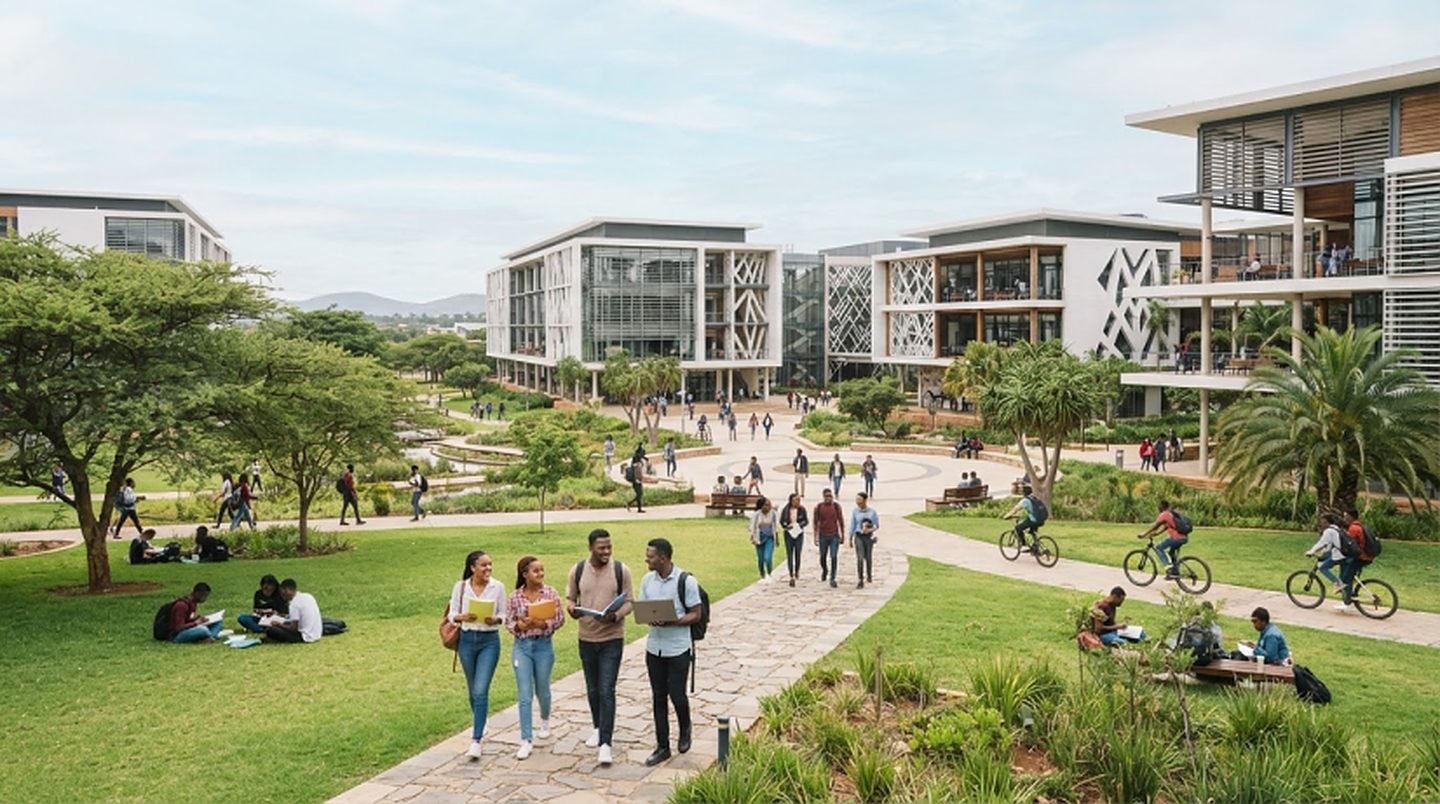
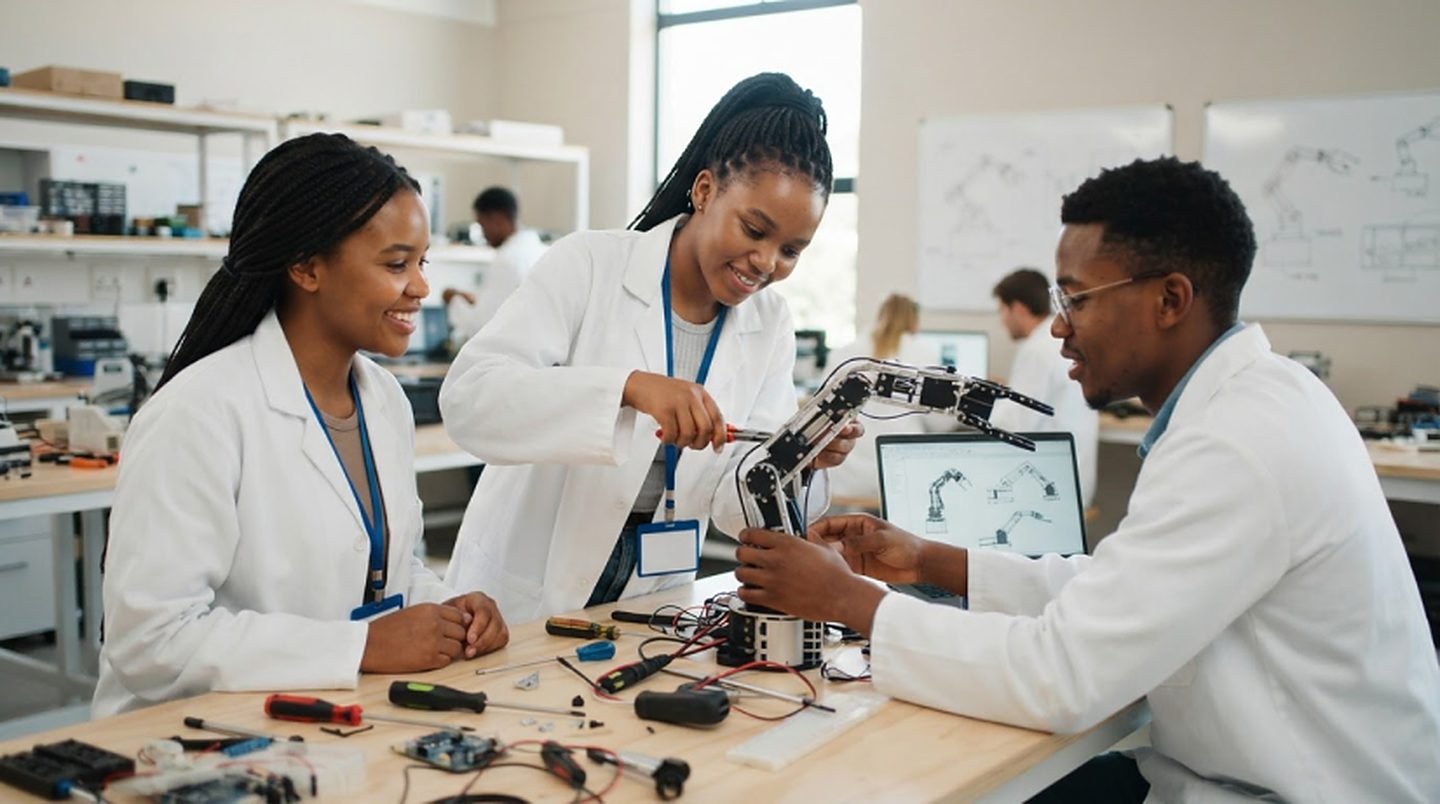
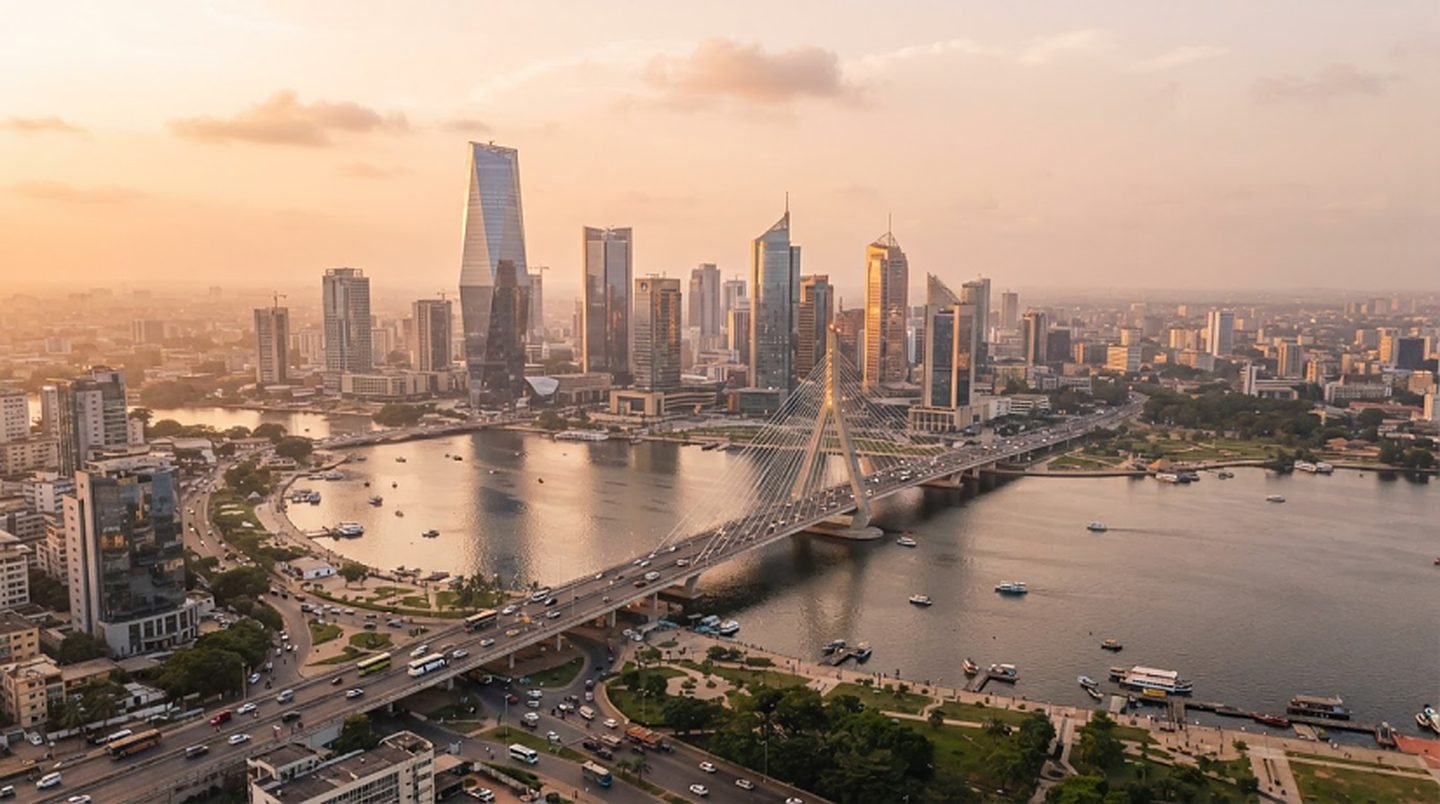
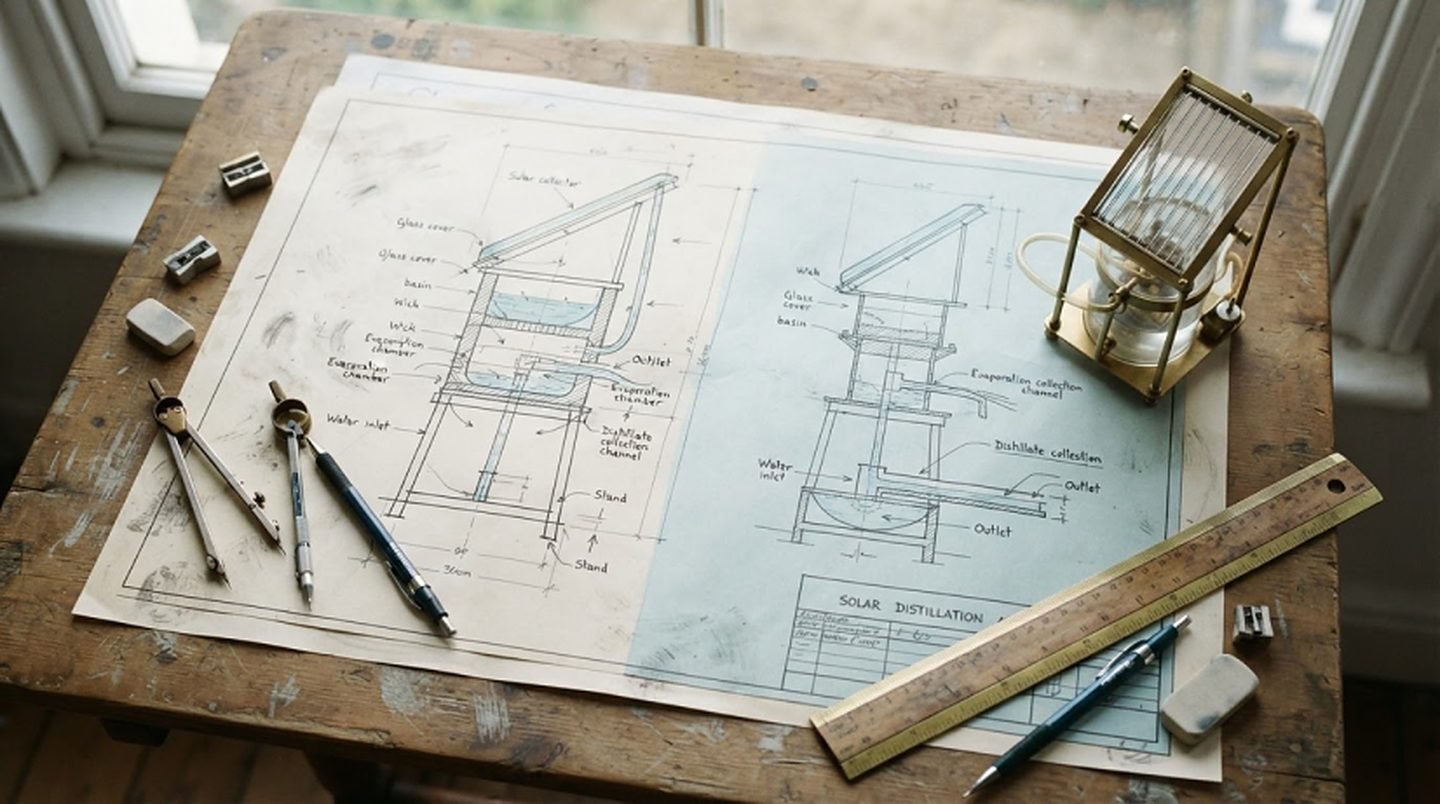
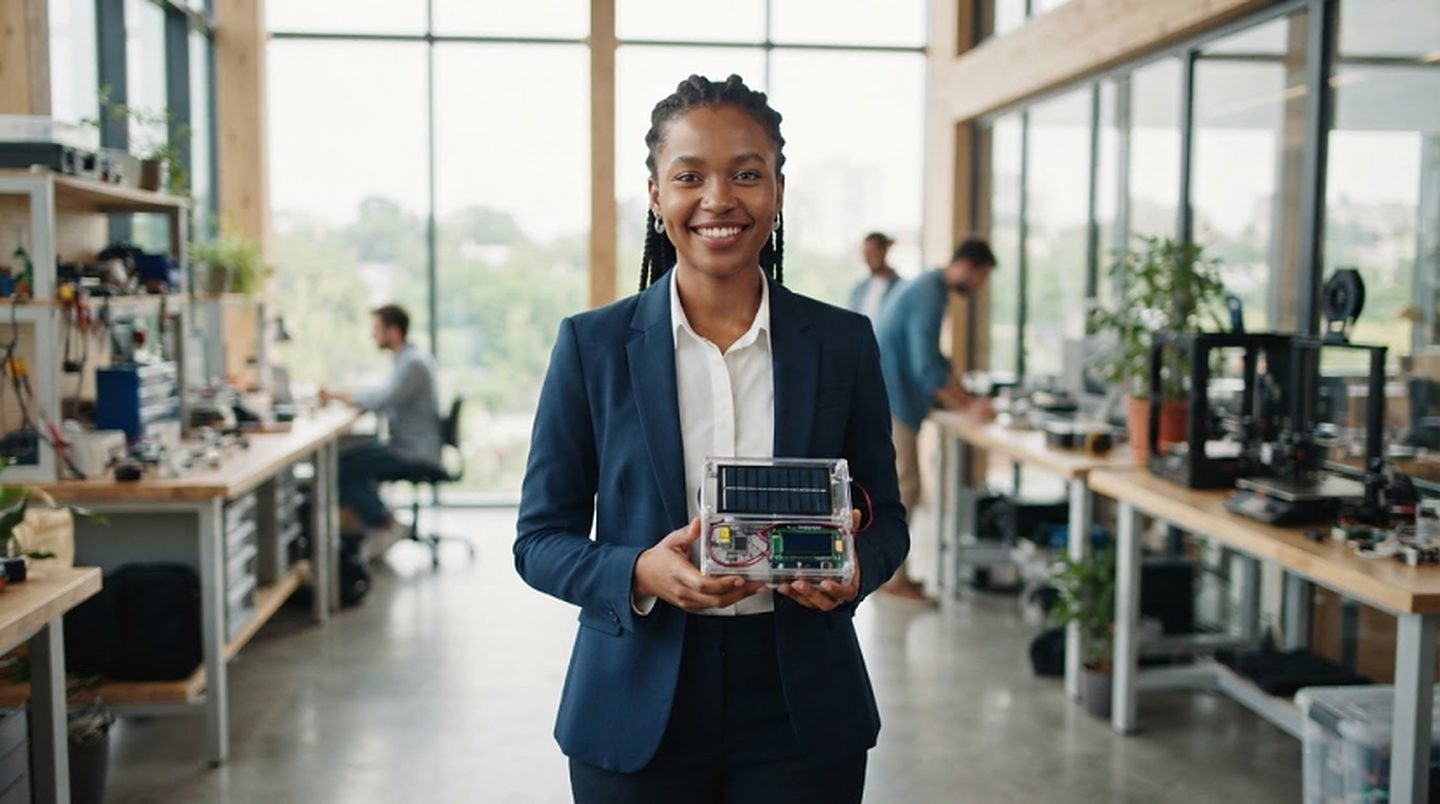
A modern African business districtYoung professionals building Africa's futureA university campus, where ideas beginInventor AI: helping reviewers, never replacing themAn inventor presents to investorsStudents building a robotic prototypeFig. 1 · An invention takes shapeThe skyline of a continent on the riseFrom drawing to inventionA young inventor and her prototypeKuumba is Swahili for “creativity”. Swahili is an official working language of the African Union.
Africa Inventions is a virtual invention house for young inventors in all 54 African countries and across the diaspora. Submit an idea or a prototype at no cost. We help you protect it, build it, test it and meet the investors who can take it to markets worldwide.
Africa Inventions brings together inventors' advocates, patent professionals, engineers, investors and diaspora mentors who share one conviction: Africa's next industries will be built by its own inventors.
We are builders, not promoters. Launched in 2026 and coordinated from Long Beach, California, with partners being invited across the continent, Africa Inventions exists because talent is spread evenly across Africa while access to patents, workshops and capital is not. Our work is to close that gap, one inventor and one country at a time, and to earn nothing until the inventors we serve succeed.
Invention is how humankind has survived, adapted and prospered: from the first stone tools, made in Africa more than three million years ago, to the artificial intelligence of today. Africa has always been part of that story. With the right support and networks, its young inventors can help lead the next chapter.
Invention is how nations rise.
One invention, carried to market, becomes a company. A company creates jobs and skills. Jobs build stronger countries, and stronger countries move all of humankind forward.
Found at Lomekwi in Kenya, they are the oldest tools known. The story of human invention begins in Africa.
Born in AfricaWonderwerk Cave in South Africa holds some of the earliest evidence that our ancestors controlled fire.
Born in AfricaFound in today's Democratic Republic of the Congo, it is often described as one of humankind's oldest mathematical tools.
Born in AfricaGrowing crops and raising animals allowed settled communities, and later cities, to grow.
Egyptian hieroglyphs are among the world's earliest writing systems.
Born in AfricaCommunities in today's Nigeria smelted iron, among the earliest iron-working in West Africa.
Born in AfricaScholars in Mali wrote and copied works on astronomy, mathematics, medicine and law.
Born in AfricaBooks could be copied quickly, and knowledge spread faster than ever before.
Engines and electric power transformed how people live, work and travel.
Computers around the world connected, and information became available to billions.
M-Pesa let millions of people send and save money by phone, a model now studied around the world.
Born in AfricaMachines that learn now assist discovery, from medicine to climate research.
With the right support and networks, Africa can help lead what comes next. Africa Inventions exists to build that support.
Scroll to follow the path →
Ideas are Africa's most renewable resource.
With the commitment of governments, civil society and every African woman and man, and with strong support networks behind them, Africa can take a leading role in the next age of invention. We are a continent of creators and inventors.
Policies, patent offices and public purchasing that back local invention.
Schools, universities, associations and media that celebrate the people who build.
Ideas, talent and the courage to try, in every country and across the diaspora.
Investors, mentors, manufacturers and partners who carry inventions to market.
Eight bold ideas to free Africa's inventive power, from the village workshop to the global market. Each one is designed to be piloted, measured and scaled across the continent.
One secure digital record for every inventor: dated submission, reviews, protection status and milestones. It travels with them across borders and opens doors with investors.
Shipping containers fitted with 3D printers, small machine tools and solar power, touring towns and rural areas so that no idea is lost for lack of a workshop.
Each year, every participating country sets one national challenge, in water, energy, food or health, and invites its inventors to solve it, with a first buyer ready.
Members of the diaspora sponsor the official filing fees of one invention from their country of origin, and follow its progress from patent to market.
A share of every success fee goes into a trust that funds the next cohort, so each inventor who succeeds lifts the ones who follow.
An annual public index of patents, prototypes, investment and support for inventors in each country, so that progress is measured and celebrated.
A multilingual assistant that answers inventors' first questions, explains protection in plain language and helps them prepare a strong submission, all from a basic phone.
A registry, built with communities and with their consent, that helps protect traditional knowledge and ensures communities share in the value it creates.
A patent ends with claims: precise statements of exactly what is protected. These are the commitments every inventor can hold us to.
Each invention moves at its own pace. Some will license to a manufacturer after stage five; others will grow into companies. Every stage has a safeguard for the inventor.
Send your idea, sketch, video or prototype online, on a basic phone connection or through WhatsApp.
SafeguardA dated, private record of your submission.
Independent reviewers assess novelty, feasibility and market need, and write up their findings for you.
SafeguardReviewers declare any conflict of interest.
Prior-art guidance, referral to pro bono patent help, and support with official filing fees.
SafeguardWe take no ownership at this stage.
Prototype support through maker spaces, universities and engineering mentors near you.
SafeguardFunding released by milestone, not in one lump.
Real users test it. We help with pricing, standards and certification for your target markets.
SafeguardEvidence filed in your own data room.
Curated introductions to angels, funds, manufacturers and diaspora investors, plus showcase days.
SafeguardInvestors sign confidentiality terms first.
License it, start a company, or sign a supply agreement with a buyer: the route that fits.
SafeguardIndependent legal review of every contract.
Export readiness, distribution partners and online channels to reach buyers worldwide.
SafeguardLifelong access to the alumni network.
Talent is spread evenly across Africa. Access to patents, workshops and capital is not. That gap is what we close.
Keep the "how" private for now. In your first submission, describe the problem, who would buy the solution and what it does. Do not include the technical details of how it works until we have discussed protection with you.
Submit your inventionA screened pipeline of African inventions, each with the evidence investors look for before they commit.
Africa has two regional patent systems alongside national offices. Choosing the right route early saves inventors money and time. We guide each inventor to the route that fits their market.
| Route | Coverage | How it works | Best suited to |
|---|---|---|---|
| OAPI | 17 member states, mainly French-speaking West and Central Africa | One filing gives protection in every member state at once. | Inventions aimed at francophone regional markets |
| ARIPO | Member states mainly in English- and Portuguese-speaking East and Southern Africa | One filing; the inventor chooses the member states to designate. | Selective protection across several anglophone and lusophone markets |
| National | Countries outside both systems, including Nigeria, South Africa and Egypt | A separate application with each national office. | Large single markets |
| PCT | Most countries worldwide | One international application that preserves the right to file in many countries later. | Inventions with export or licensing potential abroad |
Official filing fees are the barrier most young inventors cannot cross, even when legal help is free. The Patent Fee Fund, financed by sponsors, will cover official fees for selected inventions. Sponsors can fund a single filing or an entire cohort.
Each year, every participating country names its Inventor of the Year: the person whose invention is doing most to move the country forward. The national winners then compete for the continental Africa Inventions Prize, presented on Africa Day, 25 May.
Run with a partner university or innovation hub in each country, with a local jury.
One winner per country, celebrated at home and supported for a full year.
Chosen from the national winners by a pan-African jury and presented on Africa Day.
The Prize rewards real impact, not only a promising idea. Every entry is scored on five published criteria.
Proposed weighting, to be finalised with the founding jury.
The Africa Inventions Prize, presented on Africa Day.
Six categories, decided at the continental final.
Plus full support through every stage of the programme.
No entry fee, ever. An independent jury drawn from all five regions of Africa declares any conflict of interest. Cash awards are paid partly on award and partly against milestones, so each prize builds a business. Award amounts are targets and will be confirmed as founding sponsors join.
Pageants command sponsors, prime-time television and a nation's attention. A crown tells the next generation what its country values. For the next decade, we propose that those resources crown the young people who build.
Keep everything that makes a pageant work: national pride, regional rounds, glamour, a live televised final and a crown. Change what is judged.
We invite governments, sponsors, broadcasters and pageant organisers to redirect the resources they give to pageants into creator competitions for ten years. Ten years is enough to change what a generation dreams about.
This is not a campaign against contestants. Many are accomplished, and some pageants fund scholarships and good causes. Pageant organisers know how to produce a show, raise sponsorship and fill a stadium, which is exactly what a creator gala needs. We invite them to lead this change with us.
Support the pledgeA YouTube channel with new episodes every week. Verified inventions only: every featured invention is reviewed by an engineer before it airs.
Channel launching soon.
Africa Inventions works through institutions that already exist, so every country can take part without waiting for new buildings.
One partner university, innovation hub or maker space in each country hosts intake days, prototyping and the national round of the Prize.
Working with OAPI, ARIPO, national offices and WIPO's Inventor Assistance Program to lower costs and speed up referrals.
Governments and large companies each agree to pilot one Africa Inventions invention a year. A first customer is often what convinces investors.
Open days, school challenges and investor showcases in every participating country, in the week leading up to Africa Day.
A public online gallery of protected African inventions, shown with their inventors' consent, where investors and buyers can browse.
Submission by WhatsApp and SMS, a mobile app that works offline, and radio partners for rural areas where data is expensive.
Africa Inventions is designed to support goals African governments have already set: the African Union's Agenda 2063, its Science, Technology and Innovation Strategy for Africa 2025–2034, and the intellectual property protocol of the African Continental Free Trade Area.
The free programme and the commercial work are kept separate, so inventors are served first and every deal stays transparent.
Both entities are being established.
The model is designed to travel. Once its results in Africa are proven and published, the same approach will open to inventors in other developing regions of the world.
Where every invention begins
How do we solve a problem that keeps coming back in our lives or in our communities? How do we improve a solution that exists but still falls short? Most of history's great inventions started there.
What problem could you solve today? Which existing invention or solution could you make better, cheaper, safer or easier to use?
Put the problem and your idea on paper, with a sketch if you can. Date it and keep it. A written idea can be tested, improved and protected.
When you think you have the solution, or even part of it, submit it. We will help you with the rest.
Questions to start your notebook
Our responsibility
No one else will solve our problems, transform our raw materials, or invent and create in our place. It is time to stop waiting for others and to take action today.
Every problem we solve brings us closer to well-being and a better future for the generations that follow.
Invention made life as we know it possible.
No idea or prototype is too small. Submit what you have in mind today: ideas once dismissed as insignificant have changed the world.
Inventors, tell us about your idea. Investors and partners, tell us how you would like to take part. We reply to every message.
Every idea is welcomeNo idea or prototype is too small. Submit what you have in mind today: ideas once dismissed as insignificant have changed the world.
Thank you. A reviewer will reply within ten working days with a written first assessment and the next step.
Thank you. We will be in touch about the founding cohort and the first showcase.
Thank you. We will contact the nominee and keep you informed.
Yes. Submitting, evaluation, mentoring and introductions cost the inventor nothing. Africa Inventions is funded by sponsors and grants, and earns only a disclosed share of a licence or company after a deal is made.
You do. Submitting gives us no rights to it. Any share we receive later is agreed with you in writing before a deal is signed, and you can seek independent advice first.
No. Most inventors apply before filing anything. We help you decide whether and where to file, and in what order, so you do not lose your rights by revealing too much too early.
Yes. Inventors of the African diaspora are welcome, especially when the invention can serve or be produced in African markets.
Investors register their interests and, after signing confidentiality terms, see inventions whose inventors have agreed to be introduced. Investments, licences and contracts are made directly between the parties.
You receive a written explanation and practical next steps. You can improve the invention and submit again at any time.